





International VoIP Calls
International VoIP Calls are really cheap — much cheaper than similar calls from a traditional phone service or even a calling card.
International VoIP calls use a local server in the country being called (also known as the international destination) instead of the network of expensive long-distance callers of yesteryear.
Learn more about international VoIP calls.
VoIP Providers who Offer International VoIP Calls.
| Provider | Plan | Long Dist. | Monthly Fees | Setup Fees | User Rating | |
|---|---|---|---|---|---|---|
VoIP Phone Service
|
0¢/min | $8.32 | $0.00 | |||
VT_Unlimited Plan
|
0¢/min | $8.47 | $0.00 | |||
VoIP Service
|
0¢/min | $5.38 | $0.00 | |||
|
0¢/min | $9.88 | $0.00 | |||
Freedom Unlimited
|
0¢/min | $4.99 | $0.00 |
International VoIP Calls Explained
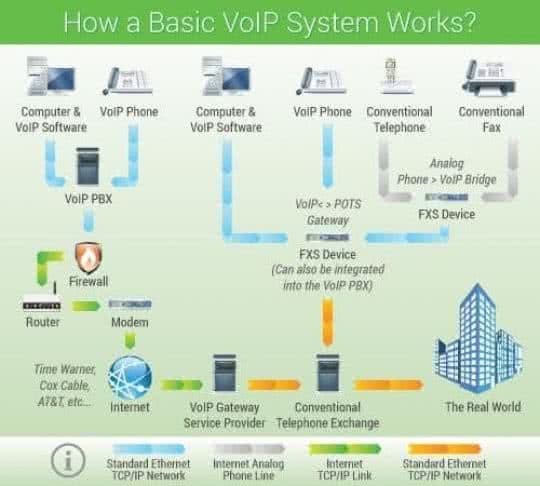
International VoIP works the same way regular VoIP works (learn How VoIP Works here): audio codecs compress the call and transmit it digitally over Internet Protocol to a local or regional destination, where the call unloads onto the local public telephone network or the appropriate VoIP network.
Some VoIP providers offer a certain amount of free international minutes with their VoIP service plan.
Challenges for International VoIP
1. Different Codecs
Audio codecs (which convert the sound of your voice to data packets that the Internet can transport) occassionally vary between countries and VoIP providers. That's a hurdle that VoIP providers usually manage pretty easily.
2. VoIP is not available in all countries
In some countries, it is illegal to use or sell VoIP. Obviously, in these countries, you can't make international calls with VoIP.
3. International VoIP and Telephone Networks
The biggest limitation for international VoIP calls is the quality of the phone network in the international destination.
International calls to developing countries are much more expensive than international calls to developed countries; it is much cheaper to call from the US to Europe than to call from the US to Central Africa. Calls to extremely remote locations are even more expensive (like Antartica).
However, for the most part, international calls with VoIP are much cheaper than international calls with any other calling method.
International Calls before VoIP
Consider, with us, what international calls were like before VoIP made things less expensive.
With traditional landlines, there were a variety of methods to call internationally: direct dialing via landline or cellphone, call forwarding services, phone cards, calling cards, SIM card swapping, or toll-free numbers.
Each of these services required something extra: extra numbers, extra companies, and, in every case, extra dollars. International calls before VoIP meant that you had to pay higher per minute fees to navigate the network of long distance calls.
Free International VoIP
VoIP services such as Skype have reduced international rates by a large amount - especially since service providers like Skype and CallCentric offer free in-network calls. If you call someone with the service or an account inside your network, you pay absolutely nothing for an international call.
This is because the VoIP provider doesn't have to switch any networks.
Softphones, mobile VoIP and international calls
One of the ways that you can make free international calls is with a softphone: a softphone is a software phone, a computer program that allows you to make phone calls.
Instead of paying for an IP phone, a softphone is usually free software developed by the VoIP company that supplies the VoIP service.
Softphone work really well with mobile VoIP; softphones can run on your laptop or smartphone, so you can take your phone number wherever you go.
Mobile VoIP and softphones make international travelling much easier: you can set up a local number in the area you're visting. You can also get calls on your softphone from back home, too. In both cases, you'll only pay for local calls. You can avoid roaming charges and high international calls because you only have to pay for and use Internet, WiFi, or G3 service.
Last Updated: 05/23/2012 06:05 PM